
 Photography and the American Civil War
by
Photography and the American Civil War
by
 Gettysburg
by
Gettysburg
by
 Civil War Weapons
by
Civil War Weapons
by
 Keep the Days
by
Keep the Days
by
 A Holy Baptism of Fire and Blood
by
A Holy Baptism of Fire and Blood
by
 The Kidnapping Club
by
The Kidnapping Club
by

A concise and well-informed introduction to the most traumatic and bloodiest war in American history. Recounts the events that led from the early battles through the terrible confrontations at Gettysburg and Vicksburg to the South's final surrender at Appomattox in 1865.

In Trials and Triumphs, Marilyn Mayer Culpepper provides incomparable insights into women's lives during America's Civil War era. Her respect for these nineteenth-century women and their experiences, as well as her engaging and intimate style, enable Culpepper to transport readers into a tumultuous time of death, destruction, and privation.

Frederick Douglass's life as a slave and after his escape from slavery in his own words.

Contemporary reports from prisoners and witnesses humanize the grim realities of the POW camps. Perhaps no topic is more heated, and the sources more tendentious, than that of Civil War prisons and the treatment of prisoners of war.

To understand the long march of events in North Carolina from secession to surrender is to understand the entire Civil War... Philip Gerard presents this dramatic convergence of events through the stories of the individuals who endured them--reporting the war as if it were happening in the present rather than with settled hindsight--to capture the dreadful suspense of lives caught up in a conflict whose ending had not yet been written.

In this collection of essays, some of the most esteemed historians of the Civil War select a single meaningful place related to the war and narrate its significance. Included here are meditations on a wide assortment of places--Devil's Den at Gettysburg, Hollywood Cemetery in Richmond, the statue of William T. Sherman in New York's Central Park, Burnside Bridge at Antietam, the McLean House in Appomattox, and more.
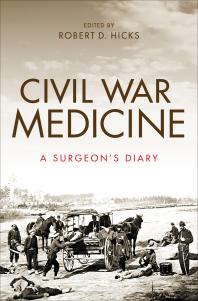
In this never before published diary, twenty-nine-year-old surgeon James Fulton transports readers into the harsh and deadly conditions of the Civil War as he struggles to save the lives of the patients under his care.

More than 150 years after the end of the Civil War, scores of websites, articles, and organizations repeat claims that anywhere between 500 and 100,000 free and enslaved African Americans fought willingly as soldiers in the Confederate army. Levin explains that imprecise contemporary accounts, poorly understood primary-source material, and other misrepresentations helped fuel the rise of the black Confederate myth.

France's involvement in the American Civil War was critical to its unfolding, but the details of the European power's role remain little understood. Drawing on archival sources... Sainlaude overturns many commonly held assumptions about French relations with the Union and the Confederacy. As Sainlaude demonstrates, no major European power had a deeper stake in the outcome of the conflict than France.
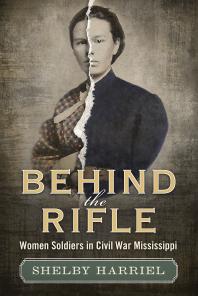
Behind the Rifle: Women Soldiers in Civil War Mississippi is a groundbreaking study that discusses women soldiers with a connection to Mississippi... Readers will learn who they were, why they chose to fight at a time when military service for women was banned, and the horrors they experienced. Included are two maps and over twenty period photographs of locations relative to the stories of these female fighters along with images of some of the women themselves.
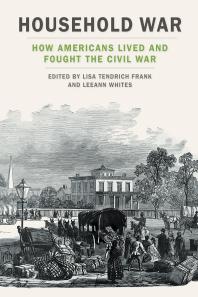
Contributors explore notions of the household before, during, and after the war, unpacking subjects such as home, family, quarrels, domestic service and slavery, the Klan, prisoners and escaped prisoners, Native Americans, grief, and manhood. The essays further show how households redefined and reordered themselves as a result of the changes stemming from the Civil War.

 eBooks
Some of our eBook collections will allow you to check out an eBook for use on your mobile device (such as a Kindle) while others will allow online viewing only.


Instructions for Downloading eBooks: